
"carbon compounds"
100 article(s) found

What is organic coffee? what's the difference between organic coffee and ordinary coffee?
Organic ∶ has life. Relating to or derived from an organism. It now refers to those containing carbon atoms, except carbon monoxide, carbon dioxide, carbonic acid, carbonates and certain carbon compounds. Its compound refers to the compound composed of carbon element and hydrogen, oxygen, nitrogen or sulfur. It's called organic matter for short. General plant bodies and animal remains, faeces and other decaying substances, after micro

Coffee roasting and Coffee Flavor Wheel New version of Coffee Flavor Wheel
The deep roasting of counter-cultural coffee flavor wheel highlights that light roasting of wood incense can highlight the bright smell of sour flowers, grasses and fruits, but hopeless deep roasting fans fall in love with resin components such as incense, smelling, choking aroma and alcohol odor. this is the product of Mena reaction and distillation. Resin composition: pine and cypress families of Pinaceae and Taxodiaceae, both secrete oleoresin with spicy fragrance to protect against insect pests or

Coffee roasting and Coffee Flavor Coffee Flavor
Americans often say: One mans meat is another mans poison, that is, one person is regarded as delicious, others as poison. The aroma spectrum of dry distillation can be divided into three categories: resin rhyme, spicy rhyme and carbonized rhyme, as follows: 1. Resin rhyme: turpentine and choking turpentine: turpentine, chicory, mahogany, wine, blackcurrant branches and leaves: Rosemary, eucalyptus alcohol, Eucalyptus leaves,
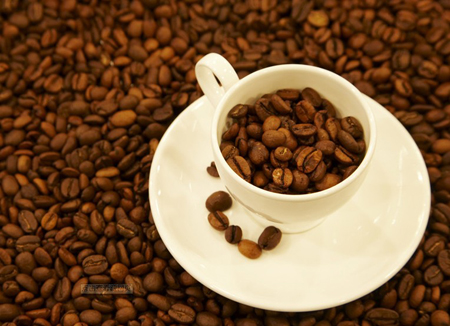
Coffee Flavor Wheel-World's Third Wave of Coffee Aesthetics
Deep baking highlights wood incense Light baking can highlight the bright smell of flowers, grass, fruit acid fragrance, but there is no medicine to save the deep baking fans love the incense, stuffy fragrance, choking fragrance and alcohol of resin components, which is the product of Mena reaction and dry distillation. (resin component: pine and cedar families of conifers, both of which secrete oleoresin compounds and have a pungent aroma to resist pests or squirrel nibbling) destructive distillation

Coffee Bean roasting Coffee roasting and Coffee Flavor Wheel
Deep baking highlights that light roasting of wood incense can highlight the bright smell of sour flowers, grass and fruit, but hopeless deep-baked fans fall in love with resin incense, smelling, choking aroma and alcohol smell, which is the product of Mena reaction and dry distillation. (resin composition: pine and cypress Pinaceae and Taxodiaceae, both secrete olefins with spicy aroma to protect against insect pests or squirrels.) dry distillation

Coffee flavor is most affected by the factor "mercaptan" to create deep-roasted and light-roasted coffee beans.
Boutique coffee (specialty coffee) is also called specialty coffee selection coffee. It refers to coffee made from a small number of raw beans with excellent taste grown in an ideal geographical environment. Depending on the special soil and climatic conditions in which they grow, they have outstanding flavor. After strict selection and classification, this kind of coffee is hard in texture, rich in taste and stylish.

How do beans/waking beans affect coffee flavor?
Professional coffee knowledge exchange More coffee bean information Please pay attention to coffee workshop (Weixin Official Accounts cafe_style) Coffee beans fresh is better? "Green beans" vs."Fresh baked beans", cooked better or worse? In fact, after roasting and completely cooling coffee beans, the composition of flavor compounds has been roughly fixed, and the main reason for different flavors brewed at different times is not most.
Roaster analysis Afterburner system for coffee roasters
Afterburner system, also known as direct-fired thermal oxidizer system. Direct-fired thermal oxidizer or post-burner is the simplest thermal oxidizer, which uses a high temperature of about 500 degrees to instantly ignite soot or carbonized ions into clean water vapor, which can greatly reduce VOC emissions. This thermal oxidizer does not have any heat recovery equipment and cannot recover the heat generated during combustion. typical

How long is the shelf life of the so-called "raise beans" and "wake up beans" coffee cooked beans? Do you need to wake up the coffee beans?
Professional coffee knowledge exchange more coffee bean information please pay attention to the coffee workshop (Wechat official account cafe_style) the correct way to grow beans how long is the coffee bean growing period? Why raise beans? What is the so-called principle of raising beans or awakening beans? Let me be clear. In fact, the composition of flavor compounds in roasted and completely cooled coffee beans has been roughly finalized.

How does coffee packaging maintain the flavor of coffee beans? why does the aroma of coffee beans dissipate?
The roasting of coffee takes time, effort and a lot of trial and error to release the flavor of coffee. However, after the baking is completed, it is also necessary to ensure that consumers can feel the flavor of the coffee while drinking it. This is where packaging works. By using the correct packaging material, the aroma of coffee can be preserved long enough for consumers to experience the release of roasting.

[coffee roasting] what are the chemical changes in coffee beans during roasting?
Professional coffee knowledge exchange more coffee bean information please follow the coffee workshop (Wechat official account cafe_style) do you know what happens when roasting coffee beans? What are the chemical changes that transform raw coffee beans into coffee ripe beans with charming flavor and rich aroma? In the previous article, we saw that the structure of coffee beans plays an important role in the roasting process.

Boutique coffee beans | what is the reaction when coffee is roasted? why the coffee is rich in flavor
Do you know what happens when you bake coffee? What changes have taken place to turn mung beans into our favorite delicious, fragrant coffee beans? In the first part of this two-part series, we studied how the anatomical structure of coffee beans played an important role and outlined the physical changes that took place during roasting. Now, let's look at some chemical changes.
Post-burner system of coffee roaster
Post-burner system, also known as direct-fired thermal oxidizer system. Direct-fired thermal oxidizer or post-burner is the simplest kind of thermal oxidizer, which can greatly reduce VOC emissions by instantly cremating soot or carbide ions into clean water vapor at a high temperature of about 500C. This kind of thermal oxidizer does not carry any heat recovery equipment and cannot recycle the heat generated in the combustion process. Typical

General knowledge of coffee roaster after burner system
Post-burner system, also known as direct-fired thermal oxidizer system. Direct-fired thermal oxidizer or post-burner is the simplest kind of thermal oxidizer, which can greatly reduce VOC emissions by instantly cremating soot or carbide ions into clean water vapor at a high temperature of about 500C. This kind of thermal oxidizer does not carry any heat recovery equipment and cannot recycle the heat generated in the combustion process. Typical
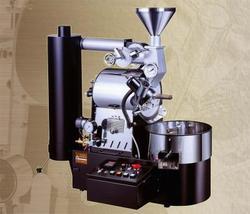
Afterburner system of coffee roaster burner gas supply system diagram of coffee roaster knowledge of coffee roaster
Post-burner system, also known as direct-fired thermal oxidizer system. Direct-fired thermal oxidizer or post-burner is the simplest kind of thermal oxidizer, which can greatly reduce VOC emissions by instantly cremating soot or carbide ions into clean water vapor at a high temperature of about 500C. This kind of thermal oxidizer does not carry any heat recovery equipment and cannot recycle the heat generated in the combustion process. Typical
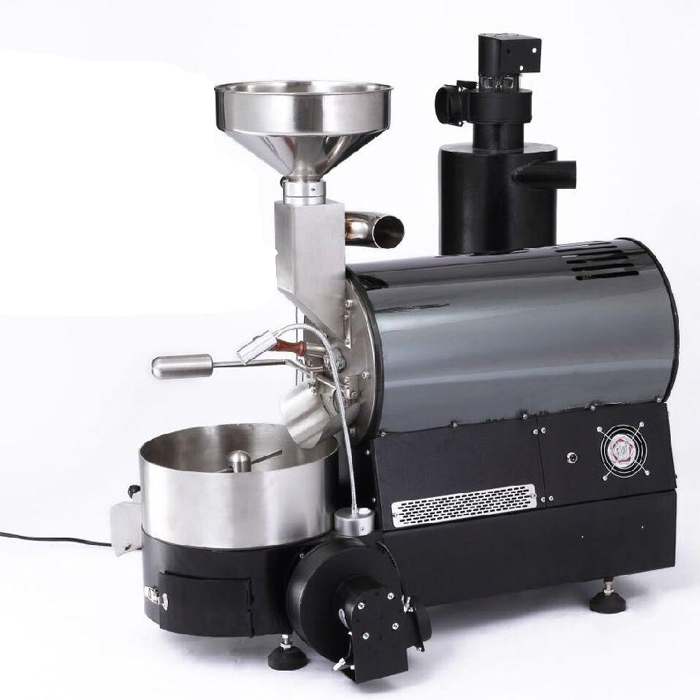
The afterburner system of the coffee roaster to understand the configuration of the structural parts of the coffee roaster
Post-burner system, also known as direct-fired thermal oxidizer system. Direct-fired thermal oxidizer or post-burner is the simplest kind of thermal oxidizer, which can greatly reduce VOC emissions by instantly cremating soot or carbide ions into clean water vapor at a high temperature of about 500C. This kind of thermal oxidizer does not carry any heat recovery equipment and cannot recycle the heat generated in the combustion process. Typical

Dry distillation of coffee aroma
Following Cafe Review (official Wechat account vdailycom) found that Beautiful Cafe opened a small shop of its own. If a cup of coffee can have Mena reaction of flowers, fruit, herbal aroma, caramel reaction of nuts, caramel, chocolate and dry distillation produced by the mellow flavor, this is undoubtedly a rare good coffee, then about the dry distillation effect of coffee aroma
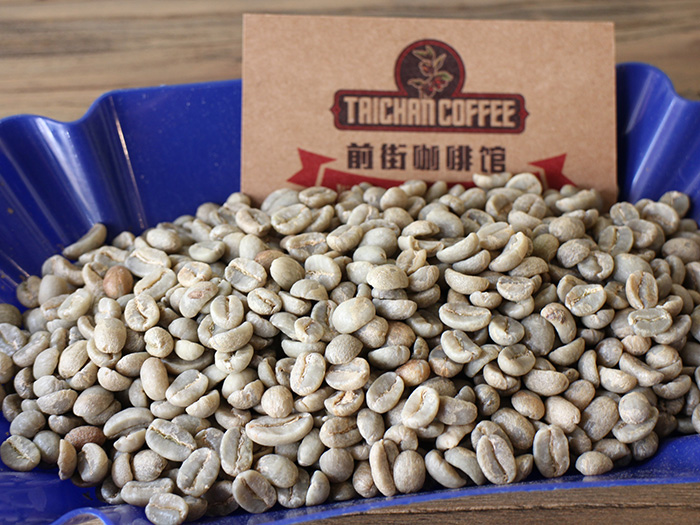
How to preserve coffee beans? Who is destroying the freshness of coffee? How to preserve coffee beans correctly?
The culprit that destroys the freshness of coffee: oxidation: the first fruit of good coffee is easily oxidized after it is cut; similarly, coffee is easily oxidized after roasting. When coffee is roasted directly, it produces a large amount of carbon dioxide, which is hidden inside and outside the cell, forming a protective layer, isolating oxygen and slowing down oxidation; however, as the day goes by,

How much water do you know we use to make coffee every day?
Professional coffee knowledge exchange more coffee bean information Please follow the coffee workshop (Wechat official account cafe_style) Carbonate system generally refers to the factors related to water quality: TDS, hardness (GH), pH value, buffer index (KH), metal content, especially calcium and magnesium. In order to test the use of water for brewing coffee, the above factors and their interactions must be fully taken into account when evaluating the use of water for brewing coffee.
What products will be produced by the baked caramelization reaction? What happens to excessive caramelization and insufficient caramelization?
Professional Coffee knowledge Exchange more coffee bean information Please follow the coffee workshop (Wechat official account cafe_style) the front street coffee briefly describes the caramelization reaction [caramelization reaction] the sugar in coffee beans undergoes caramelization at about 170 to 200 ℃, which is exactly the melting point of sucrose (185 ℃) and the temperature of the explosion stage when coffee beans are roasted. Products of caramelization reaction